What we install
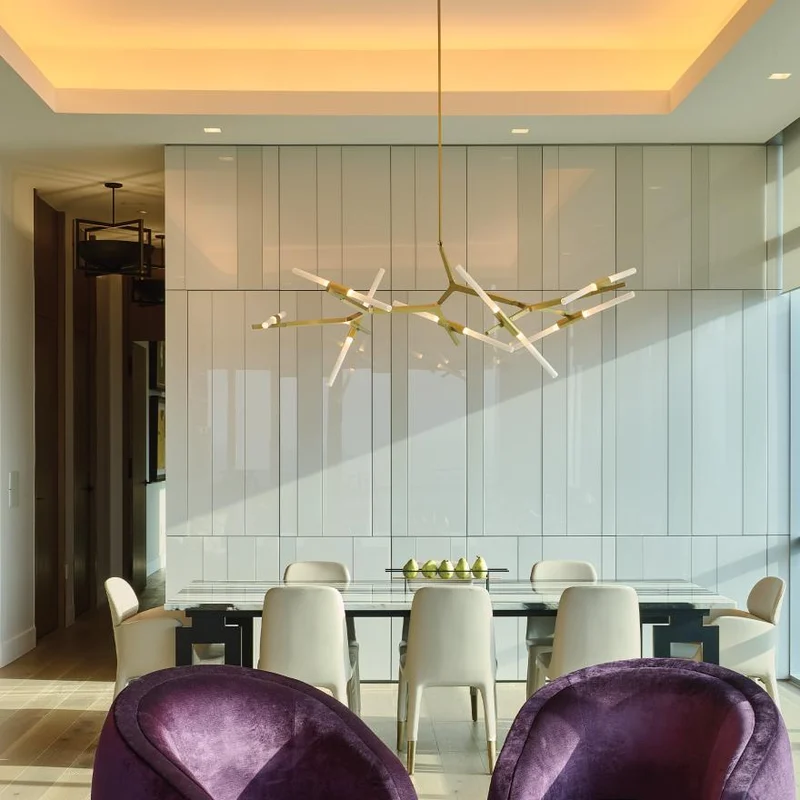
Ketra is a family of downlights, lamps and linear fixtures, all controlled through Lutron HomeWorks. We plan where Ketra adds the most value, program natural-light schedules that shift through the day, and build scenes that can override them when a room needs something specific, such as bright neutral light for cooking or very warm light for a late dinner.
Because Ketra lives on HomeWorks, it uses the same keypads and app as the rest of the lighting. Guests just see good light; the technology stays out of sight.
Where it fits
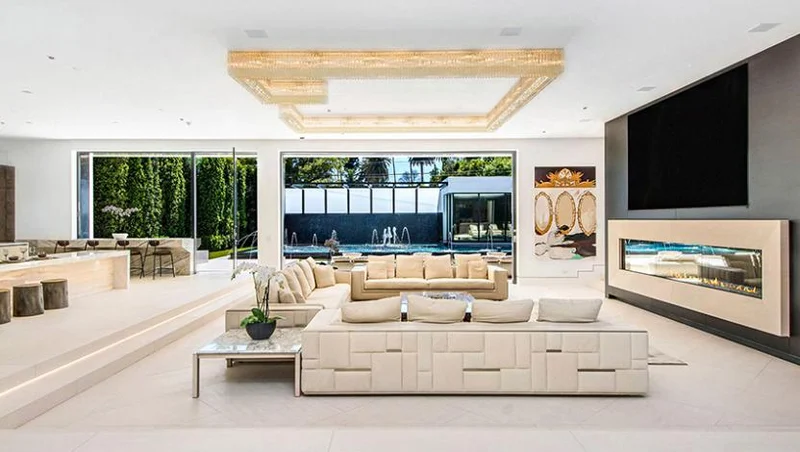
We usually suggest Ketra for the rooms people spend the most time in, such as kitchens, living rooms and primary suites, and for spaces with art, stone or wood that look best under accurate light. In Manhattan apartments with limited daylight, natural-light schedules can make interior rooms feel brighter and more alive. Not every room needs it, and we are glad to help decide where it is worth it.
See how we approach it on lighting design and Lutron HomeWorks lighting control.
What tunable lighting changes in a room
Most LED fixtures produce a single fixed colour temperature. Ketra fixtures can shift their white point and intensity together, so a room can be cool and crisp in the morning and warm and low in the evening without changing fixtures. Ketra can also produce saturated colour for occasional use, but in most homes the value is in how natural the white light looks across the day.
Because the fixtures are controlled through Lutron, Ketra scenes appear on the same keypads and in the same app as the rest of the lighting. That is why we treat Ketra as part of a Lutron HomeWorks design rather than a separate system.
Where Ketra is worth it, and where it is not
Ketra fixtures cost more than standard LED fixtures, so we usually recommend them where people spend long hours or where art and finishes need accurate colour. Utility rooms, closets and garages rarely need it. A common approach is to use Ketra in the main living spaces, kitchen and primary suite, and conventional dimmed fixtures elsewhere, all controlled from the same keypads.
- Living rooms and kitchens where the light should change from day to night.
- Galleries and walls with artwork, where colour rendering matters.
- Primary bedrooms, where warm, low light in the evening is the goal.
- Spaces with mixed daylight, where fixtures can be tuned to sit comfortably beside windows.
Coordinating Ketra with the design team
Ketra needs to be specified at the fixture-schedule stage, together with the lighting designer and electrician. We help confirm which fixtures are Ketra, how they are circuited and how scenes will be programmed, and we review this alongside motorized shades because daylight and electric light work together. For an overview of our lighting work, see the lighting page or the Lutron brand page.
Commissioning and fine-tuning
Tunable lighting is only as good as its programming. After installation we walk each room with the owner at different times of day and adjust colour temperature, intensity and fade times by eye. Natural-show settings, which shift the light gradually across the day, can be enabled per room or left off where the family prefers fixed scenes. We record the final settings so they can be restored or changed later, and the household can adjust favourite scenes from the Lutron app without calling us.