A historic port with its own character
Sag Harbor feels different from the rest of the Hamptons. It grew as a working port, and its village is lined with eighteenth- and nineteenth-century houses, captains' homes, narrow streets and a walkable Main Street that runs down to the wharf. Beyond the village core, homes spread along the coves and bays toward Noyac and North Haven, and into wooded areas south of the village. The result is a mix of compact historic houses, renovated cottages, bay-front homes and newer residences on larger wooded lots.
Many of these homes are lived in year-round; many others are weekend or summer houses. Our approach depends on which part of Sag Harbor a home is in and how the family uses it.
Retrofitting old houses without harming them
Historic village houses are where Sag Harbor technology work is most delicate. Walls are often plaster on lath, framing is irregular, and original moldings and floors are worth protecting. We begin with a careful survey: where can cable travel through basements, attics and closets? Where does an old chimney chase or a later addition offer a path? Which rooms can be served with wireless devices so no wall needs opening at all?
Lutron HomeWorks lighting control works especially well here because wired and wireless devices can coexist in one system. Engraved keypads can be selected in finishes that suit period hardware. Speakers for whole-home audio can be chosen for small grilles and painted to match old ceilings, and equipment can live in a basement or utility closet rather than a living space.
We also review the electrical service before adding equipment. Older houses often carry wiring extended over many decades, and a refined control system needs a sound foundation. Identifying issues with the owner's electrician during design avoids surprises during installation.
Small lots, close neighbors
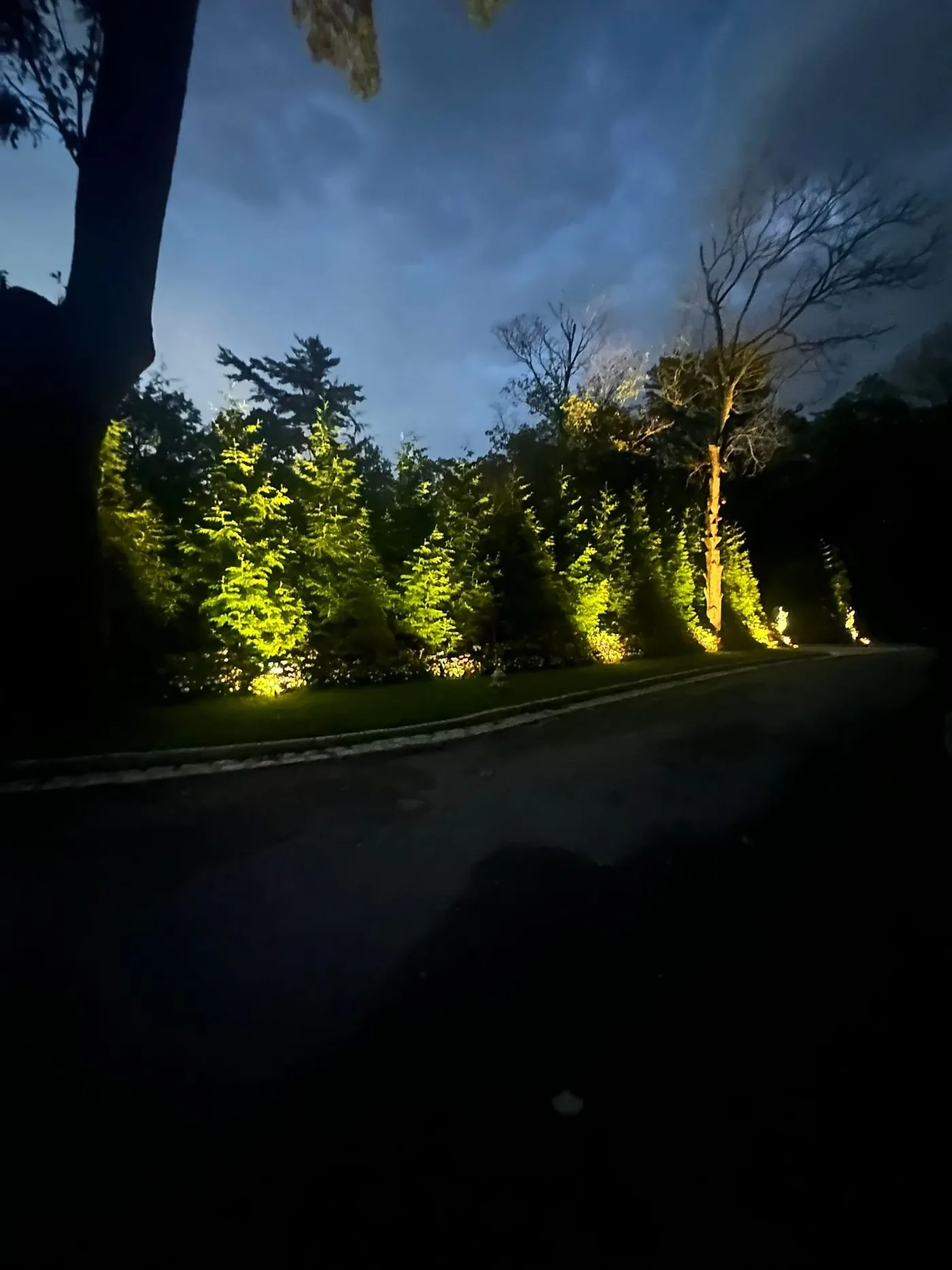
Village lots are often narrow, with neighbors a short distance away. That affects outdoor design more than most people expect. Outdoor audio here is about even, modest volume in a garden or on a porch, not big sound that carries across fences. Distributed small speakers in plantings give a pleasant experience at conversation level. Exterior lighting should be soft and shielded, and cameras positioned to cover the home's own entrances without looking into neighbors' yards.
Equipment that must live outdoors, such as condensers, generators or network equipment for a garden studio, is placed with the same consideration.
Bay-front homes and harbor exposure
Homes along the harbor, Sag Harbor Cove, Noyac Bay and the surrounding waters see moisture and salt air, especially those with docks or exposed lawns. For these properties, we choose coastal-rated outdoor speakers and cameras, corrosion-resistant hardware, sealed connections and sheltered placement. Inland village homes a few blocks from the water rarely need the same treatment, and we do not specify it where it adds cost without benefit.
Sag Harbor's connection to the water extends to boats. For owners who keep a vessel at a marina or private dock, our marine and yacht AV experience can inform equipment choices on board or near the water, coordinated with the marine contractor.
Seasonal homes and remote care
For second-home owners, the most common technology frustration is arriving to find something not working. Seasonal opening visits let us update firmware, test the network, verify cameras and check outdoor equipment ahead of the family's arrival. Closing visits help set heating, shades and security for an empty house. Between visits, with the owner's authorization, we can monitor system health remotely from our Deer Park office and resolve many issues without a trip.
Owners can use Crestron automation to check cameras, receive leak and temperature alerts, and adjust heating before arriving on a winter weekend, which is valuable in older houses where pipes may be more vulnerable to cold.
Reliable WiFi in old and new construction
Old houses can be surprisingly hard on wireless signals, with dense plaster, masonry chimneys and additions built in different eras. Newer homes on wooded lots have the opposite problem, with size and tree cover limiting outdoor reach. Our home network and WiFi designs place wired access points where they are needed, including porches, gardens and studios, and separate guest, camera and control traffic so a busy weekend does not affect the systems that run the house.
Historic district review and coordination
Much of Sag Harbor Village lies within a historic district, and exterior changes visible from the street may receive review depending on what is proposed. We do not assume which work requires approval and we do not promise outcomes. Where exterior equipment is part of a project, such as cameras, exterior speakers, antennas or lighting, we provide clear documentation to the architect or expediter so it can be presented properly, and we look first for solutions that avoid visible exterior changes altogether.
Inside, a media room or compact home theater can often be created in a converted bedroom or lower level, with acoustic treatment and concealed equipment that respect the character of the house. As a Crestron and Lutron dealer and programmer, we design and program every system ourselves and document it for long-term service.
For weekend owners, we also set up simple arrival and departure scenes, so a single button prepares lights, heat and music when the family walks in on a Friday night, and secures the house again on Sunday.
Sag Harbor's year-round community also includes many owners who work from home part of the week. For them, a dependable home office connection, a quiet space for video calls with good lighting, and network priority that keeps calls stable while others stream are just as important as entertainment. We design for that daily reality, not only for summer weekends, and make sure a historic house can support modern work without visible compromises.