One coast, very different homes
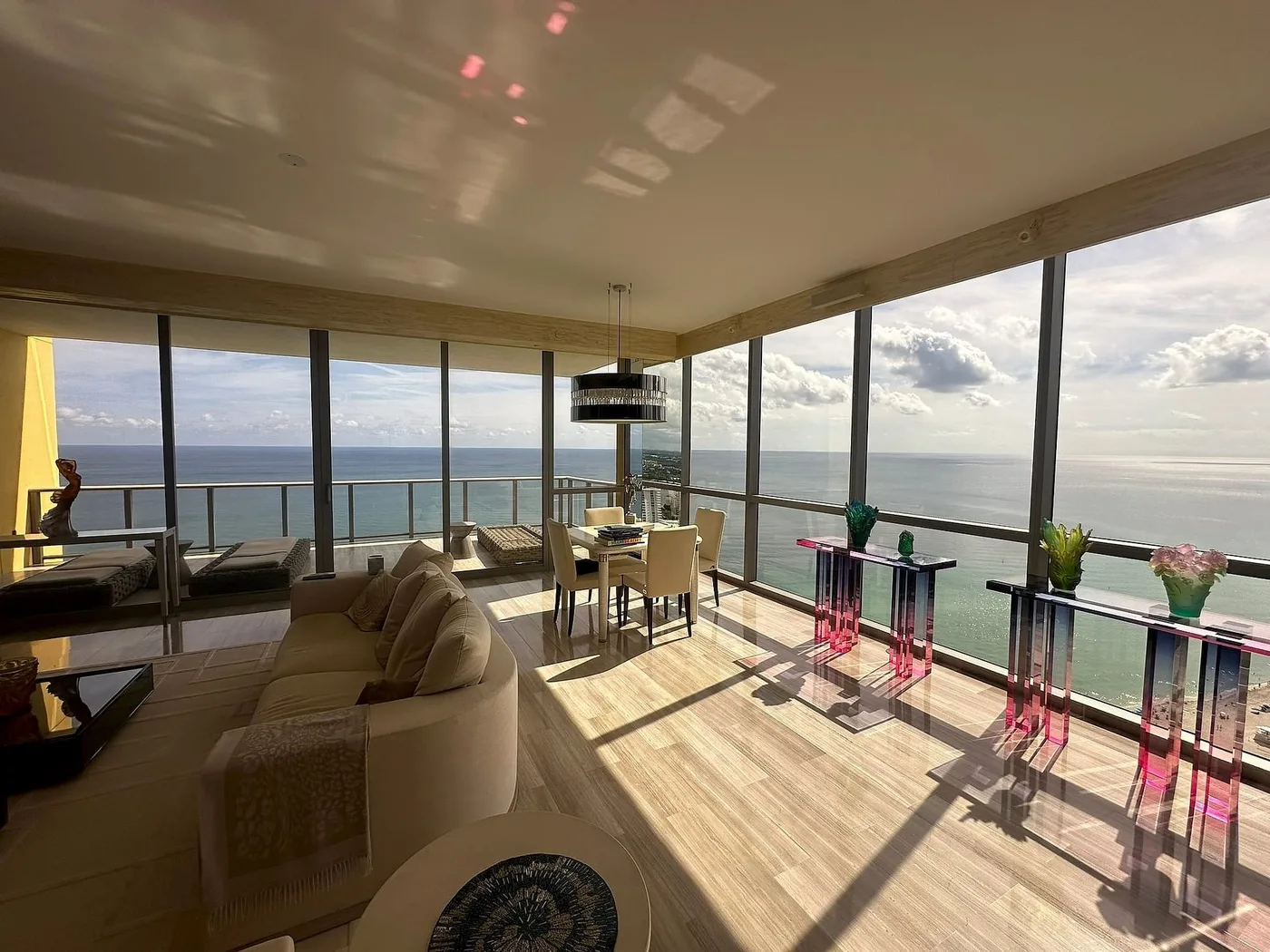
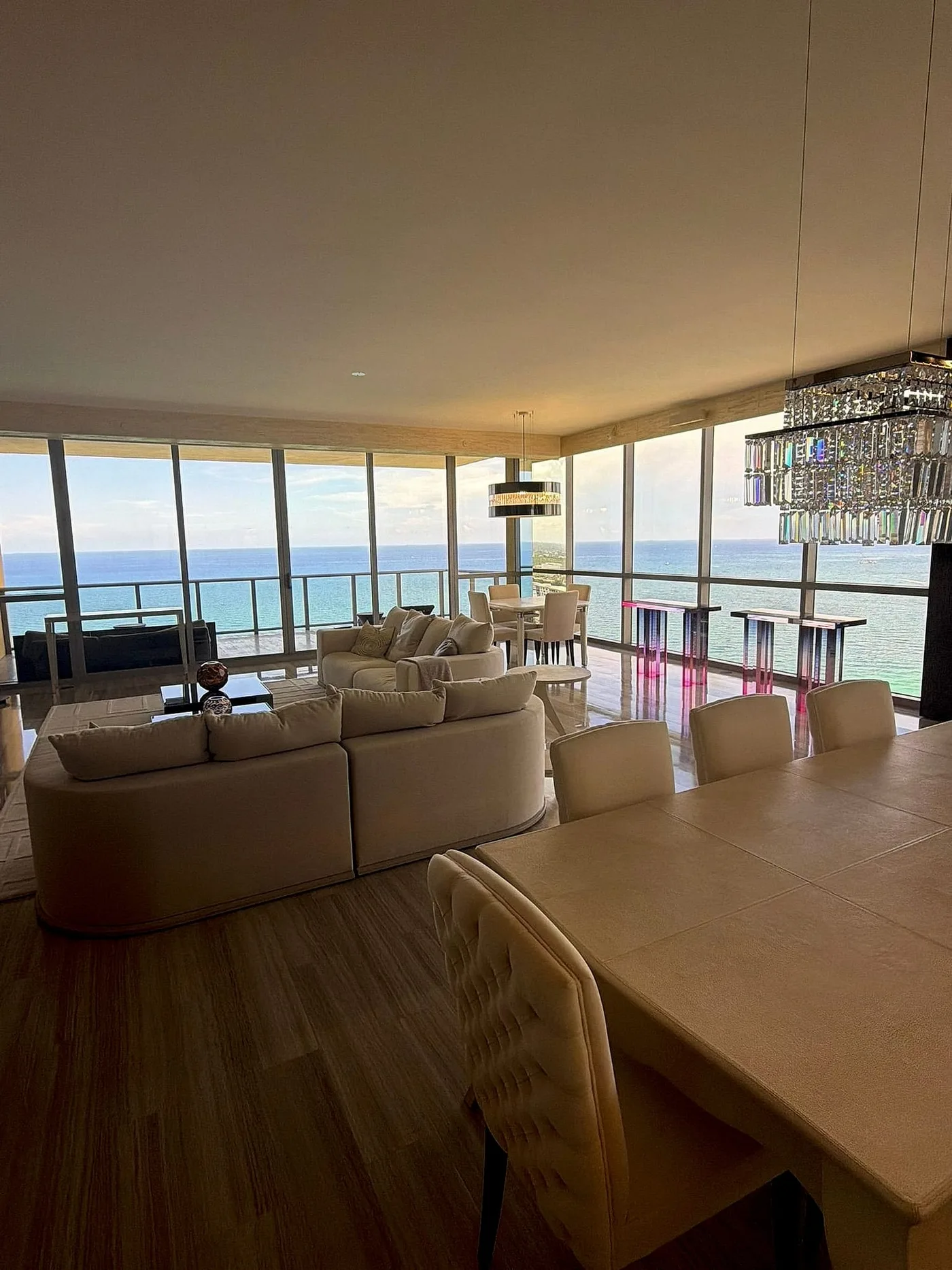
South Florida work runs from Miami up through Miami Beach, Bal Harbour, Fort Lauderdale and Palm Beach, and the homes along that coast are as varied as anything on Long Island. Oceanfront condominium towers with walls of glass. Bayfront and Intracoastal homes with a dock, a pool deck and a boat. Estates in Palm Beach where the house is older than the technology and every change has to respect it. And the yachts that move between them.
Limitless AV is licensed in Florida and has an established South Florida office with its own local team. Our South Florida team designs, installs, programs and supports systems here. Our New York office has its own Long Island team, and shared design standards give families with homes in both regions familiar interfaces and consistent support.
Areas we cover
Miami and Miami Beach, including the bayfront islands and the oceanfront towers along Collins Avenue. Bal Harbour, Surfside, Sunny Isles and Fisher Island, where every visit is planned around the ferry. Fort Lauderdale, Las Olas and the canal neighborhoods, which is also where much of our marine work happens. And Palm Beach, Manalapan, Jupiter Island and Boca Raton.
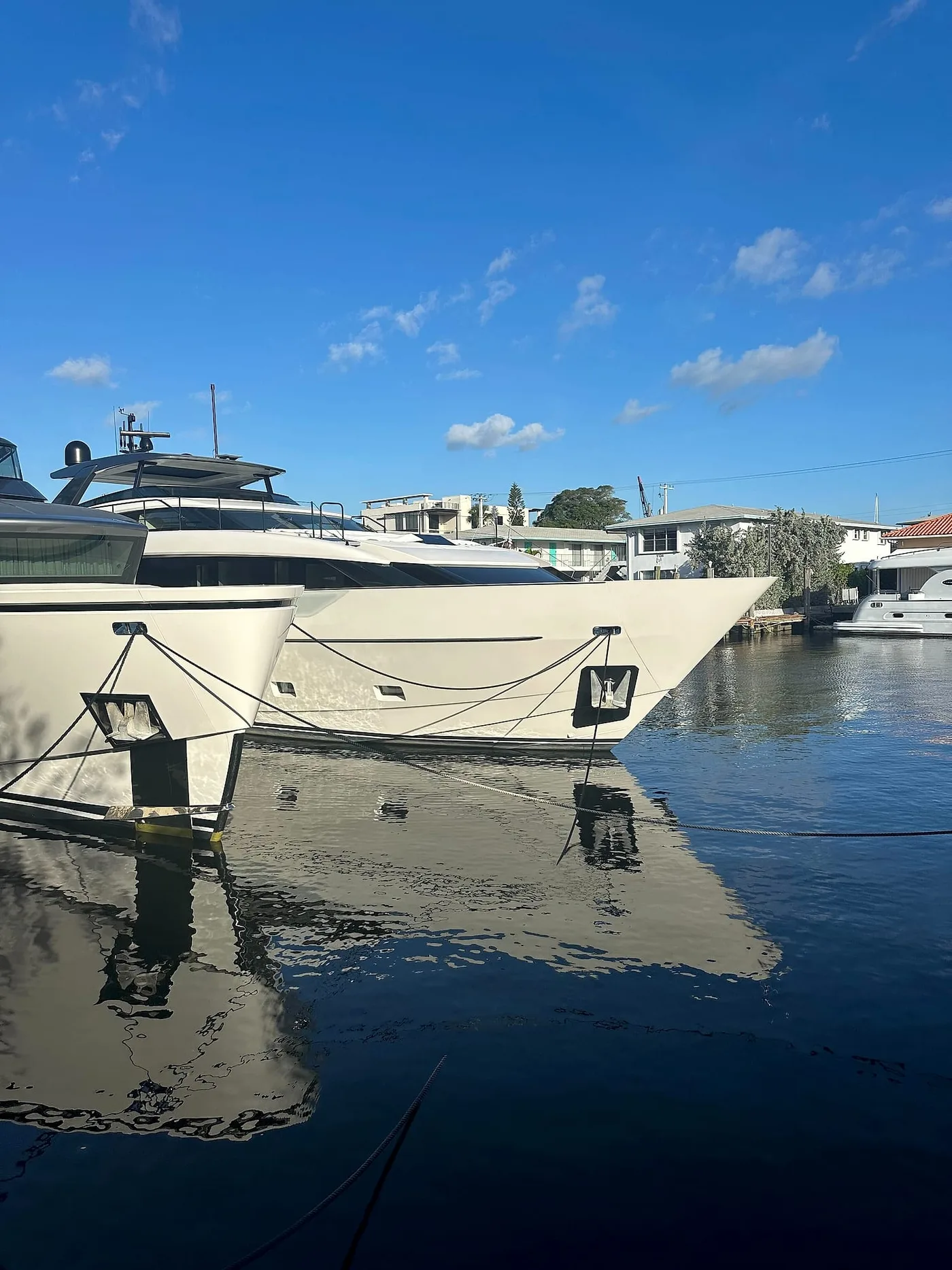
Marine work runs through all of it. We have completed audio-video, onboard networking and touchscreen control aboard multiple Sanlorenzo yachts at South Florida marinas, and our marine and yacht AV page covers that work.
Hurricane-season resilience
In South Florida, storm planning is part of the design. We coordinate whole-house and point-of-use surge protection with the electrician, because lightning and utility switching do more damage to electronics than wind does. The network, cameras, control processor and gate equipment get battery backup sized to ride through a short outage and shut down cleanly in a long one, with the aim of keeping the house reachable and letting it restart on its own. This is risk planning, not a guarantee: no residential system can be made storm-proof, and the goal is less damage and a faster recovery.
Outdoor equipment is selected and mounted for the wind exposure of the site. Cameras, speakers and access points are fixed to structure, not trim. Anything that should come inside before a storm is easy to remove and easy to put back. And for owners who are in New York when a storm comes through, remote access to cameras, sensors and the network lets them see the house the next morning instead of waiting for someone to drive over.
- Surge protection planned with the electrician, at the panel and at the equipment
- Battery backup on the network, cameras, control processor and gate equipment
- Outdoor-rated gear fixed to structure for the site's wind exposure
- Remote visibility so owners can check the house after a storm
Salt air and constant sun
Salt air corrodes metal and sun breaks down plastics, and a South Florida terrace gets both all year. Outdoor speakers and enclosures are salt-air rated, hardware is stainless or coated, and connections are sealed so moisture cannot collect. Amplifiers and streaming equipment stay inside in conditioned space. Displays on covered terraces are outdoor-rated, sized for daylight and placed out of direct sun where the design allows.
Every underground run goes in conduit with long-radius sweeps and pull boxes rather than direct-burial cable, so a speaker, camera or light can be serviced later without digging up the yard. Our outdoor audio page explains how those runs are planned.
Waterfront Wi-Fi
Waterfront homes are used to the edge of the property: the pool deck, the dock, the boat and sometimes a guest house. Wi-Fi has to reach all of it without sending the household's traffic out over the water to the neighbors. We plan coverage in Ekahau before installation, then verify it on site, and use outdoor-rated access points on structure or poles where the plan calls for them.
Dense condominium towers have the opposite problem: dozens of networks fighting for the same channels through glass and concrete. There, careful channel planning and access point placement matter more than adding more radios. Our WiFi design and home network pages cover both.
Condominium buildings
Most oceanfront residences are in associations with their own rules: certificates of insurance, approved scopes, elevator reservations and fixed working hours. We prepare that paperwork early and coordinate with the building engineer, then work inside what the building allows. Equipment racks are pre-built and tested before they arrive so time in the building is short.
In-unit, the focus is usually the network, displays, lighting control and motorized shades, which do more for comfort in a glass tower than anything else we install.
Cameras and entry
On private homes we install UniFi Protect 4K cameras recorded locally on a UniFi NVR, with no monthly fees, and UniFi Access intercoms and readers at gates, front doors and docks, with credentials that can be added or revoked per person. Our security cameras and access control page lists the models and what each one does.
Automation for condominiums and estates: Crestron, Lutron and Josh.ai
Most South Florida projects come down to two kinds of home. In a high-rise condominium, the work happens inside one unit: a Crestron processor in a small equipment closet, Lutron HomeWorks keypads and shades along the glass, and Josh.ai voice control for the rooms where people want it. Wiring routes are limited by concrete slabs, so we plan around the existing pathways and the association's rules. On a waterfront estate, the same platforms stretch across the main house, guest house, pool deck and dock, and the network and outdoor equipment carry more of the load.
In both cases the goal is the same: one consistent way to run lights, shades, climate, audio and video, set up so a family moving between New York and Florida finds the same buttons in both homes. Shading usually comes first in Florida, because glare and heat across a wall of glass affect every other room decision; see motorized shades.
Two homes, one system
Many of our Florida clients also have a home in New York. We set both houses up the same way, so the touch panels, the remote and the phone app behave the same, and the support line is the same. While one house is empty, we can watch over it remotely and arrange service locally, and we can have it ready before the family arrives.